


 Seeds
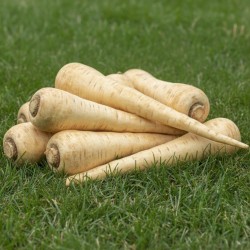
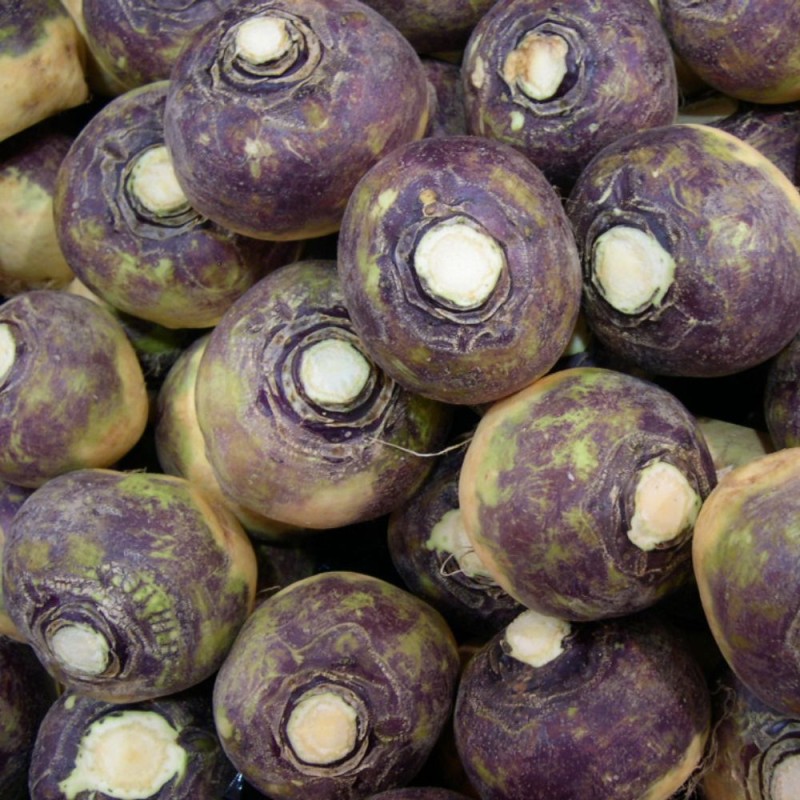
SeedsHardy root vegetable with rounded pale flesh and a mild, sweet flavor, widely used in soups, stews and traditional cooking.
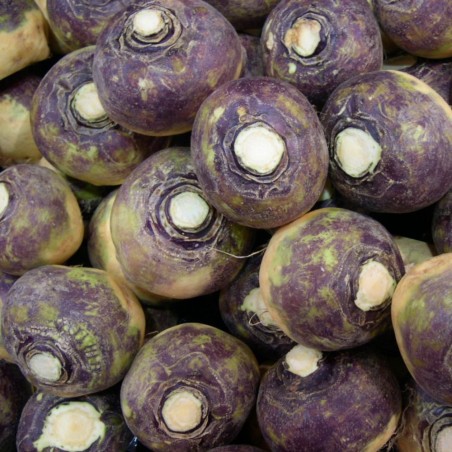
The Russian nabicol, commonly known as rutabaga or swede, is a variety of Brassica napus grown for its thick, edible root. The skin can be yellowish, cream or slightly purple where the root is exposed to sunlight. Its flesh is firm, moist and sweet, with a gentle earthy undertone.
It is very cold-tolerant and grows vigorously even in low temperatures, making it ideal for autumn and winter gardens. In the kitchen it works well roasted, boiled, mashed or as a substitute for potatoes in many regional dishes.
Sow the seeds directly into the soil or in seed trays at 1 cm deep, keeping the substrate moist but not waterlogged. Germination occurs best between 10–20 °C, usually within 7–14 days. Once the seedlings grow a few centimeters tall, thin them to 25–30 cm between plants. It prefers fertile, well-drained soils with full sun. Regular watering and a consistently cool soil help ensure good root development.

| January | February | March | April | May | June | July | August | September | October | November | December |
Data sheet
No customer questions for the moment.
Hardy root vegetable with rounded pale flesh and a mild, sweet flavor, widely used in soups, stews and traditional cooking.
 Add to basket