



 Seeds
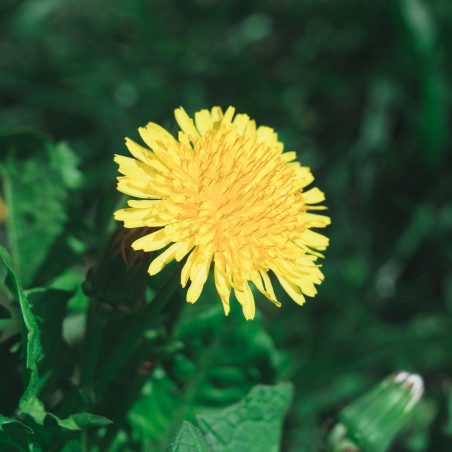
SeedsPerennial plant with deep roots and lobed leaves, used as a vegetable and traditional medicinal plant.
Taraxacum officinale, known as dandelion, is a low-growing perennial plant with lobed leaves forming a basal rosette and yellow flowers that turn into white seed heads dispersed by the wind. Its roots are deep and fleshy, and the tender leaves can be eaten in salads, soups, or sautés.
Traditionally, dandelion has been used for digestive health and as a nutritious food, but today it is mainly valued as an edible and ornamental plant in gardens and vegetable plots. It adapts to different soil types, prefers full sun or partial shade, and is frost-resistant. It produces abundant foliage and attractive flowers, also useful for attracting pollinators.
Sow seeds in spring or autumn on a light, well-drained substrate. Place the seeds on the surface and press gently without covering them too much, as they require light to germinate. Keep the substrate moist but not waterlogged. Germination usually occurs within 7-14 days. Once the first true leaves appear, transplant them leaving enough space between plants for good root and foliage development.

| January | February | March | April | May | June | July | August | September | October | November | December |
Data sheet
No customer questions for the moment.
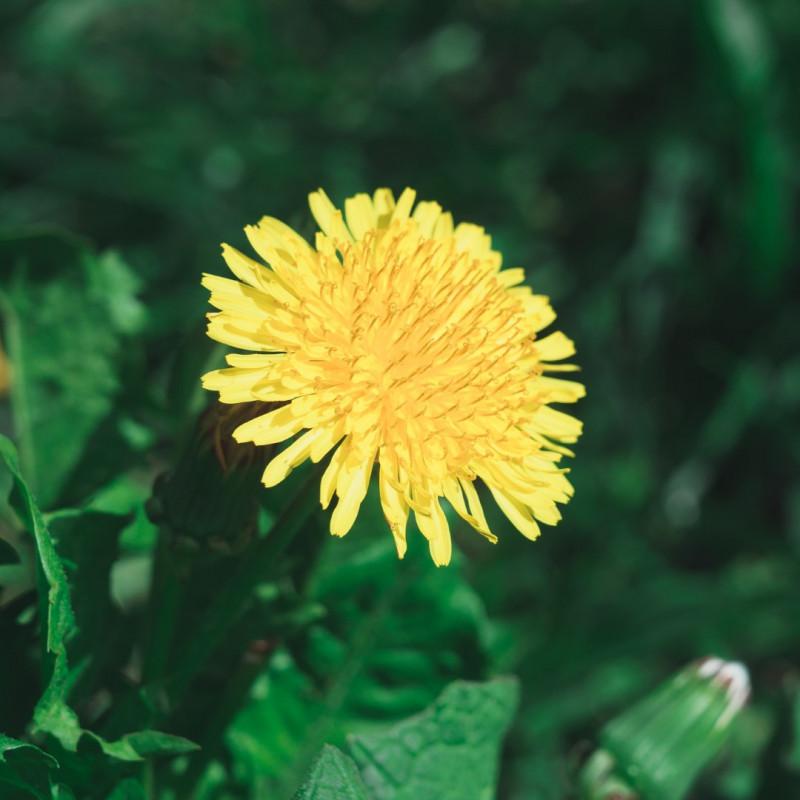
Perennial plant with deep roots and lobed leaves, used as a vegetable and traditional medicinal plant.
 Add to basket