



 Seeds
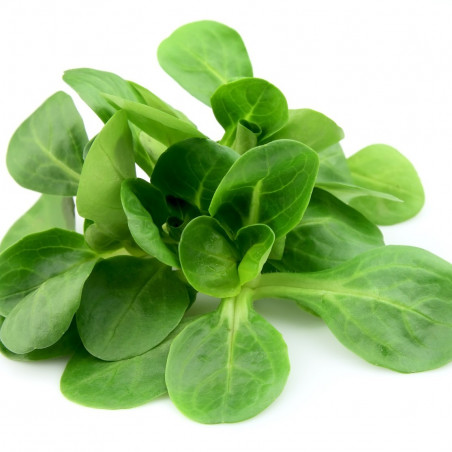
SeedsKnown as lamb’s lettuce, this green-leaved plant is used in salads and various culinary dishes. It is a very cold-tolerant variety.
Valerianella locusta, also known as lamb’s lettuce, is an annual plant of the Valerianaceae family, native to Europe and cultivated worldwide as an edible plant.
Lamb’s lettuce has short stems and green, lance-shaped leaves arranged in a rosette. The edible leaves have a slightly bitter and peppery taste. The plant produces small white flowers in clusters at the top.
It is mainly grown for consumption in salads and other dishes. It prefers fertile, well-drained soil with full sun exposure and regular watering to keep the soil moist. Valerianella locusta grows quickly and can be cultivated from seeds directly in the ground or in pots.
Optionally, seeds can be soaked in water for a few hours before sowing.
In temperate regions, seeds can be sown directly in the soil almost year-round, especially in late summer. They can be broadcast over the surface, lightly covered with soil, and watered with a spray or watering can, or sown in rows or seed trays in groups of 2–4 seeds, with 15 cm spacing between groups. They should not be buried more than 1 cm deep.

| January | February | March | April | May | June | July | August | September | October | November | December |
Data sheet
No customer questions for the moment.
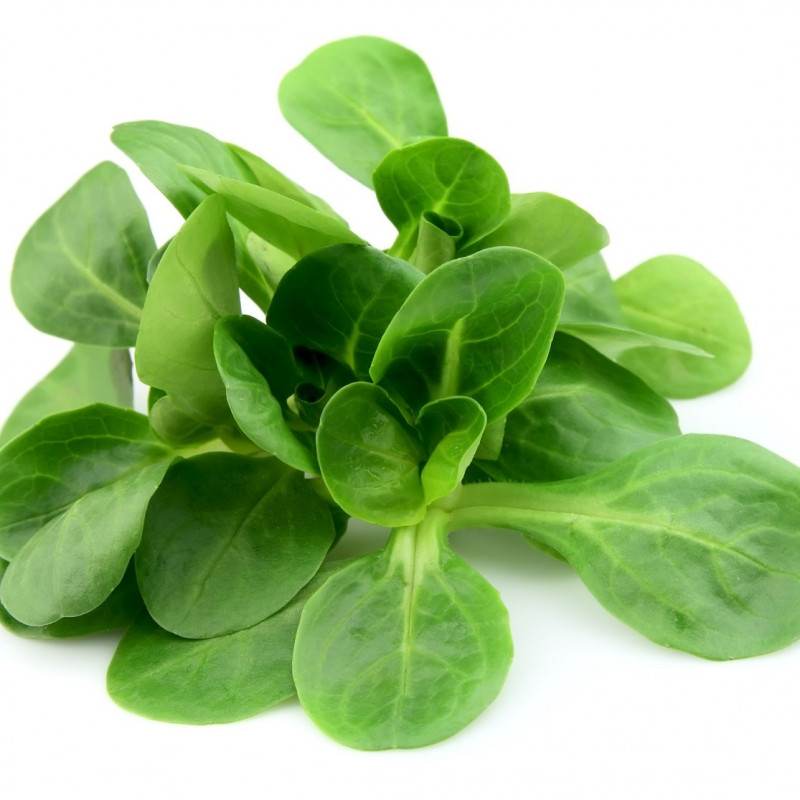
Known as lamb’s lettuce, this green-leaved plant is used in salads and various culinary dishes. It is a very cold-tolerant variety.

 Add to basket