



 Seeds
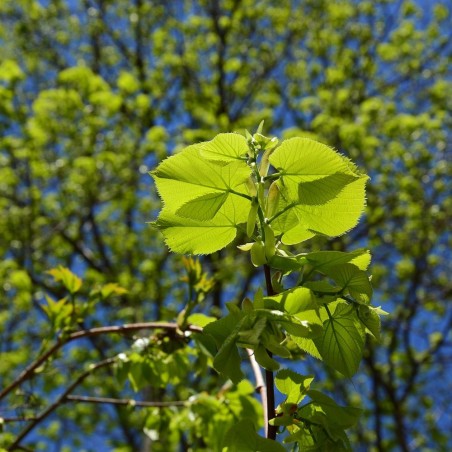
SeedsGraceful and long-lived deciduous tree with heart-shaped leaves and fragrant yellowish flowers, valued for its dense shade and ornamental appeal.
Tilia cordata, commonly known as the small-leaved lime or littleleaf linden, is a majestic tree native to Europe and Western Asia. It can reach 25–30 meters in height, with a broad, dense crown that provides excellent shade. Its bright green, heart-shaped leaves turn golden in autumn. In summer, it bears clusters of creamy-yellow, fragrant flowers that attract bees and many pollinators, making it an excellent species for biodiversity. It is cold-hardy, thrives in fertile, moist soils, and adapts well to both rural and urban environments.
Tilia cordata seeds have deep dormancy and require a combined warm and cold stratification process to germinate successfully. Start by soaking the seeds in warm water for 24 hours. Then, keep them in a moist medium (sand or vermiculite) at about 20 °C for 2–3 months, followed by cold stratification at around 4 °C for another 3–4 months. After this treatment, sow the seeds in a moist, well-drained substrate at 18–22 °C. Germination is usually slow and irregular, often occurring the following spring.

| January | February | March | April | May | June | July | August | September | October | November | December |
Data sheet
No customer questions for the moment.
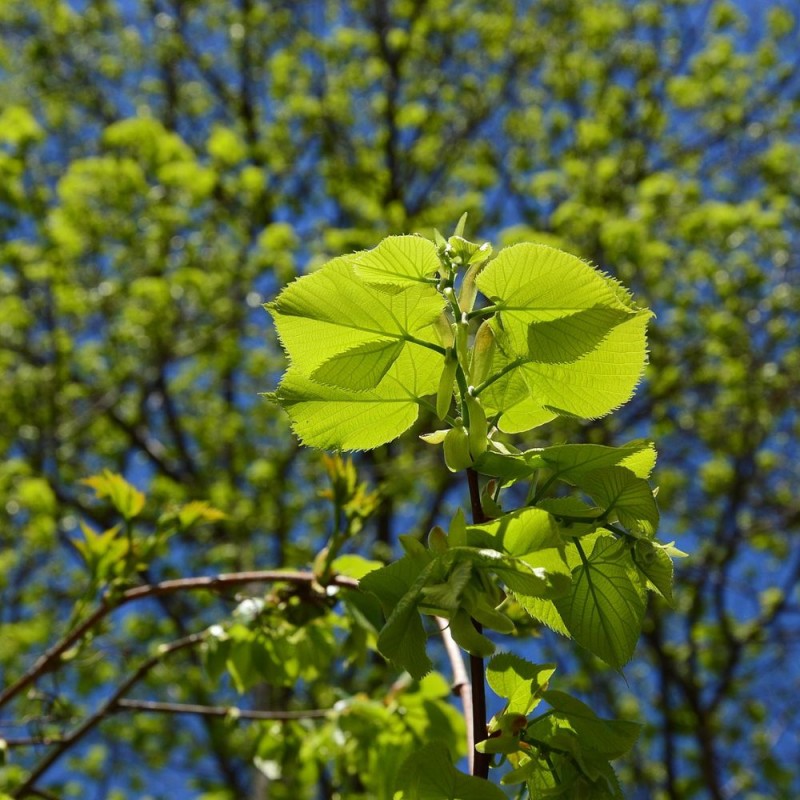
Graceful and long-lived deciduous tree with heart-shaped leaves and fragrant yellowish flowers, valued for its dense shade and ornamental appeal.

 Add to basket