



 Seeds
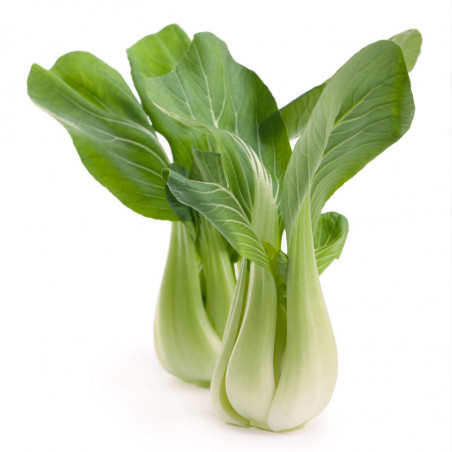
SeedsAsian cabbage variety with broad, smooth green leaves and a short, wide, whitish stem. It is traditional in Asian cuisine, especially Chinese and Japanese. Its flavor resembles endive when eaten raw and is more like spinach when cooked.
Pak choi is a leafy cabbage variety from the Brassicaceae family, native to China and widely grown and consumed in Asia.
The plant has a white, fleshy stem with green, tender leaves. Its size ranges from a few centimeters up to around 30 cm. It is widely used in Asian cuisine, especially Chinese, Japanese, and Korean, and is known for its good cold tolerance.
It is rich in vitamins and minerals, especially vitamin A, vitamin C, and iron. Low in calories, it is considered a healthy food. It can be used in salads, stews, soups, and braised dishes. Interestingly, pak choi ranks second in nutrient density out of 41 vegetables according to a study on chronic disease prevention.
Choose a suitable location: Needs full sun and fertile, well-drained soil. Can also be grown in pots or planters.
Prepare the soil: Remove weeds and plant debris and add organic compost. Ensure the soil is loose and not compacted.
Sowing seeds: Sow seeds in rows and cover with a thin layer of soil or compost. Maintain 15–30 cm spacing between plants. Sow 4–5 seeds per hole and thin later.
Watering: Keep the soil moist to support germination.
Maintenance: Keep soil moist and free of weeds as seedlings grow. Transplant to a more spacious location if overcrowded.
Harvest: Ready to harvest 40–50 days after sowing. Pick young, green leaves before the plant flowers to preserve flavor and texture.
Germination temperature: Seeds germinate best between 15 °C and 20 °C, though they can germinate between 10 °C and 25 °C. Keep soil moist during germination. Low temperatures delay germination, while high temperatures can dry seeds too quickly.

| January | February | March | April | May | June | July | August | September | October | November | December |
Data sheet
No customer questions for the moment.
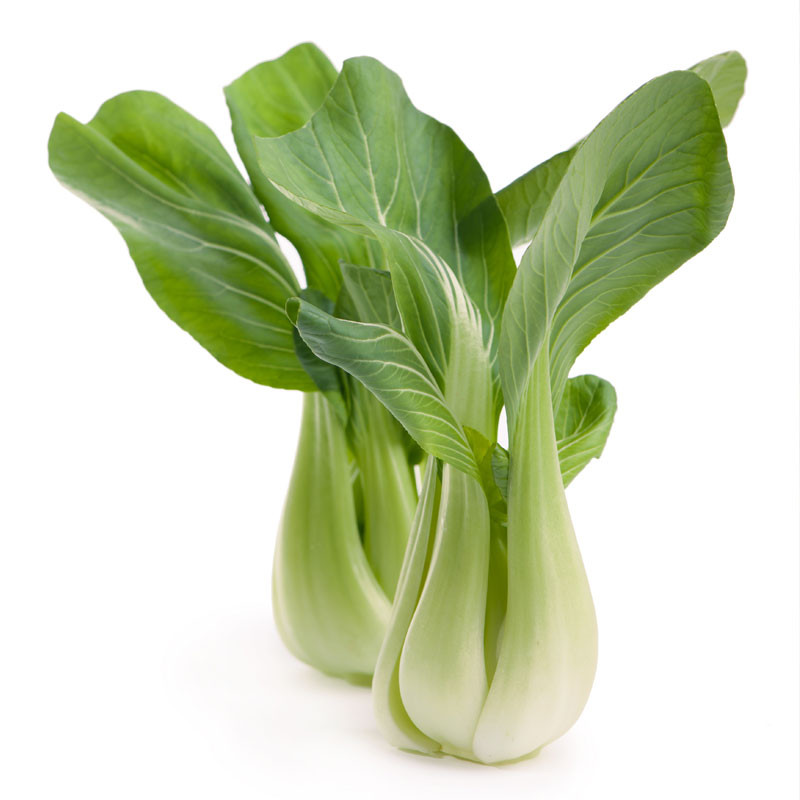
Asian cabbage variety with broad, smooth green leaves and a short, wide, whitish stem. It is traditional in Asian cuisine, especially Chinese and Japanese. Its flavor resembles endive when eaten raw and is more like spinach when cooked.

 Add to basket